The UAV major aims to cultivate industry-applied talents, with the core focus on building flight technology and assembly, debugging & maintenance capabilities. At present, most secondary and higher vocational colleges as well as technical schools lay particular emphasis on UAV flight technology teaching, while generally weak in assembly, debugging and maintenance content, which leads to insufficient employment competitiveness of students. Therefore, this training room construction plan and supporting teaching equipment configuration are based on strengthening flight technology as well as assembly, debugging and maintenance capabilities, aiming to effectively improve students' professional skills and market adaptability.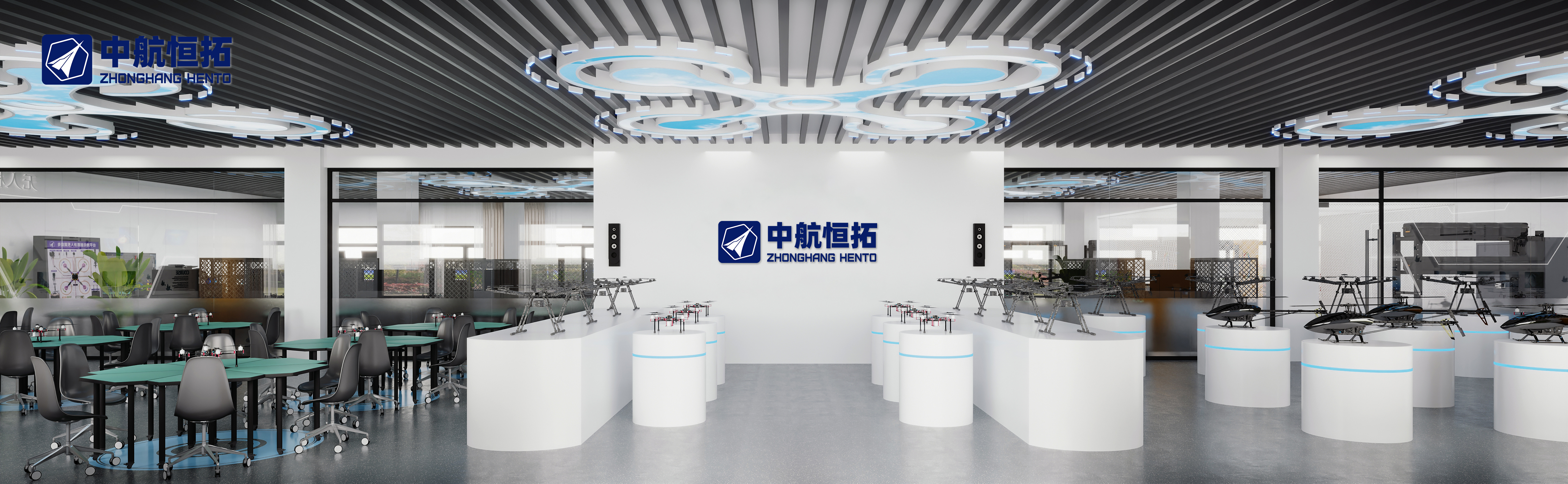 The plan proposes to build a modern training room with complete supporting facilities, equipped with advanced equipment for simulation teaching, assembly and debugging, flight training and industry applications. This practical training environment can not only support the integrated teaching mode of "theory - simulation - virtual simulation - practical operation", but also meet the full-process practical training needs of assembly, debugging, maintenance, testing, industry application and innovative design. Meanwhile, the training room also has the function of displaying professional teaching achievements, which can basically cover all links of the teaching of UAV application technology major.
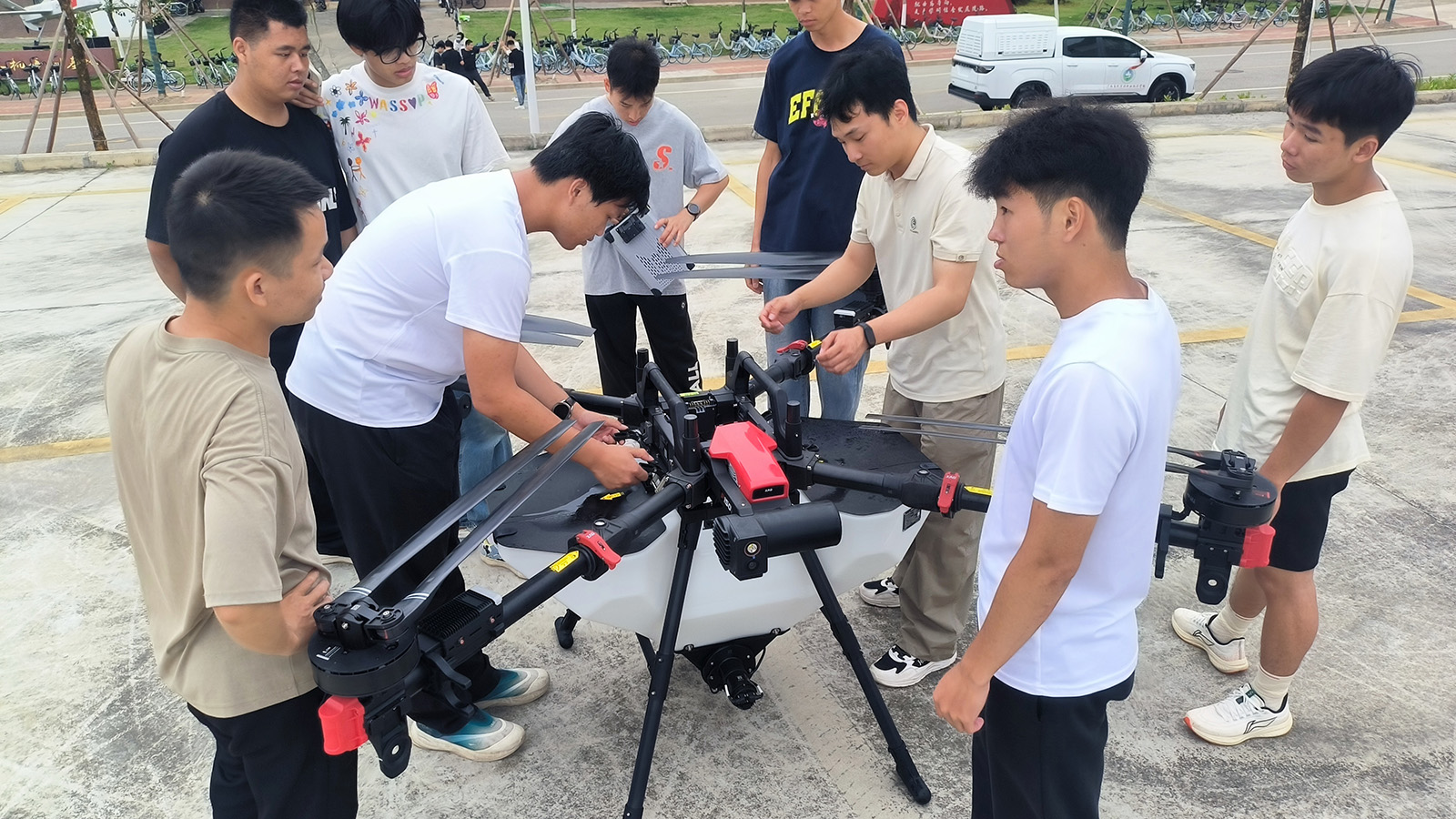
Project Overview
The project aims to build a distinctive UAV innovation training room, which serves as a support to promote the development of basic artificial intelligence education in schools and cultivate students' thinking ability and initial understanding of artificial intelligence. Teachers can carry out curriculum design and popularization of scientific theories relying on the hardware and technical environment of the training room, further promoting the development of scientific and technological intelligence education and the upgrading of relevant discipline courses, improving the school's teaching capacity, and adding a technological highlight to the school's teaching development.
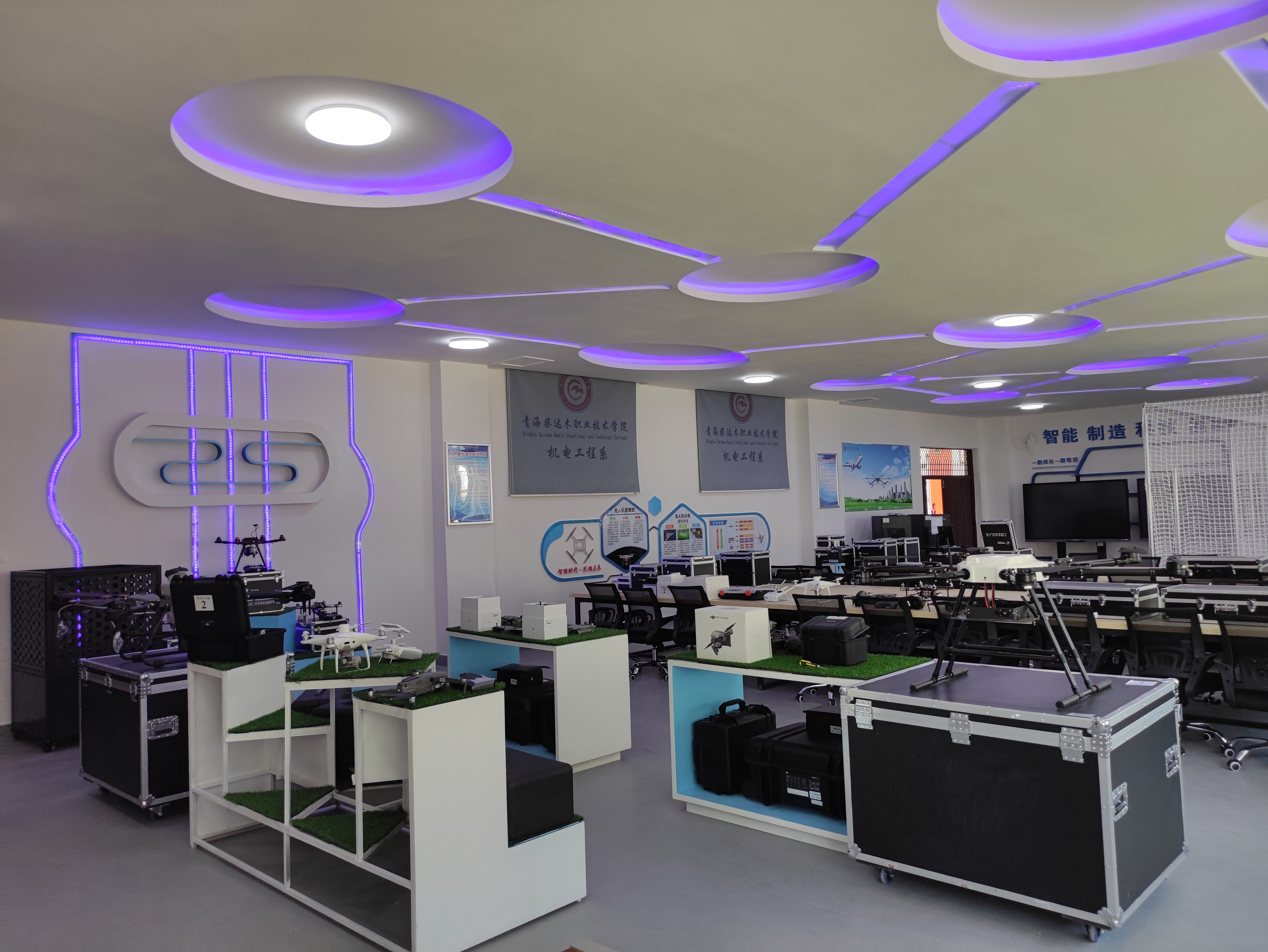
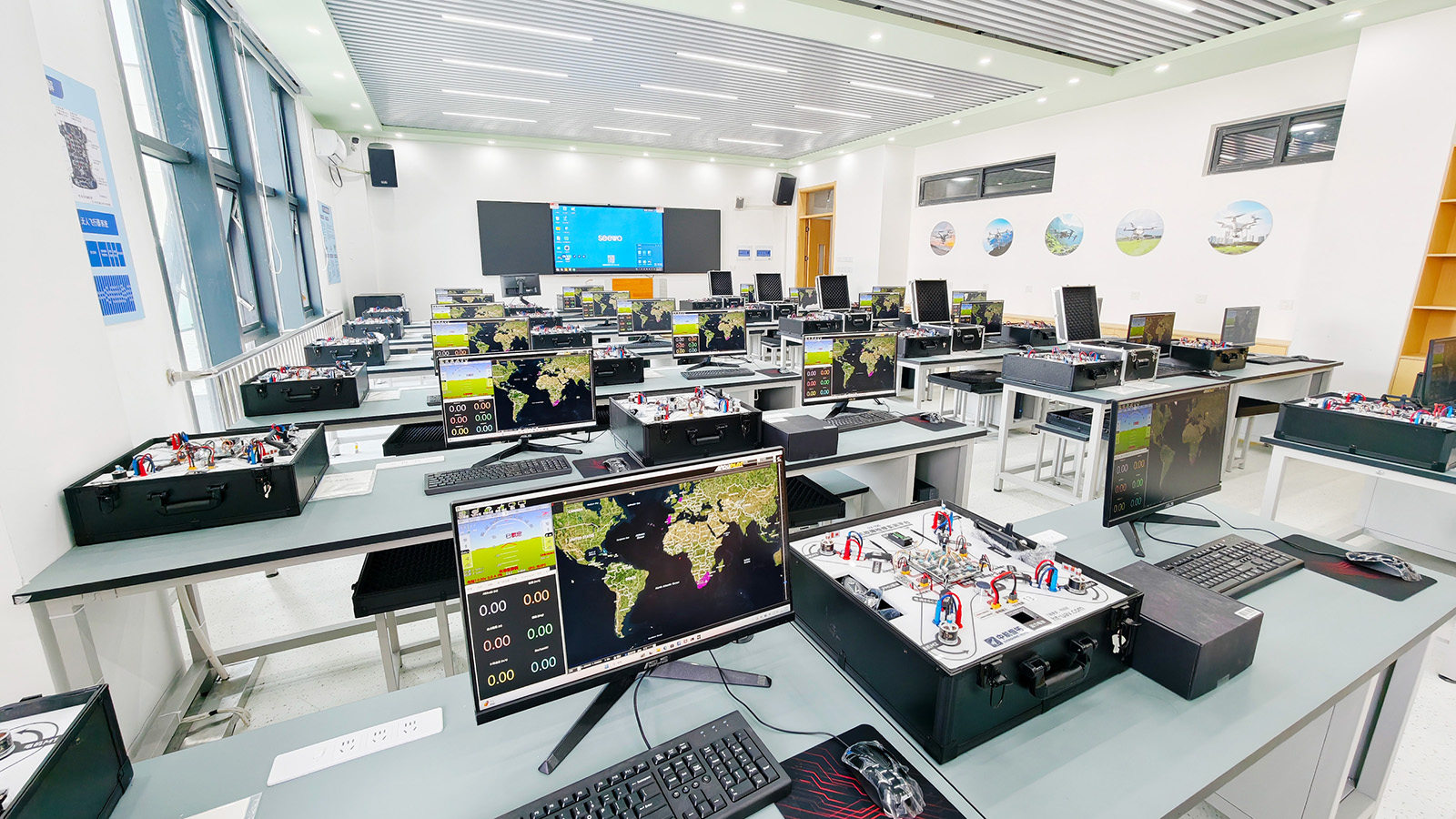 Project Case: UAV Training Room of Fuyang Preschool Education College
Construction Objectives
This training room plan is designed according to the characteristics of vocational colleges and combined with the company's products. The facilities can meet students' learning needs ranging from basic UAV principles, disassembly and assembly practice, flight simulation training to circuit design, single-chip microcomputer programming, UAV technology practical training, as well as teaching and development needs such as project research, realizing full utilization of resources.
Under the guidance of teachers in the UAV innovation training room, students will grow from beginners to proficient pilots, assembly & maintenance specialists and programming experts, improving their hands-on practical ability, development ability and employment ability. Facing the huge talent gap in the UAV industry, the training room systematically trains targeted talents and outputs high-level talents for the market.
In recent years, the number and types of robotics competitions have been increasing, among which UAV-related competitions are increasingly welcomed by colleges and universities. The construction of the training room can improve the training and selection system for UAV competition participants. UAV competition is a high-tech project that puts forward high requirements for both theoretical knowledge and practical operation. In the design and manufacturing process, multidisciplinary theoretical knowledge and engineering practice need to be closely integrated, which can exercise students' engineering practice ability, consolidate their mastery of professional knowledge, cultivate their scientific spirit of assiduous study and perseverance, temper their will quality, enhance team cooperation spirit, and improve their comprehensive ability. By participating in UAV competitions, students can complete complex tasks such as manual control flight, target grabbing, obstacle crossing and automatic mission flight, which serves as both exercise and test for their practical innovation ability.
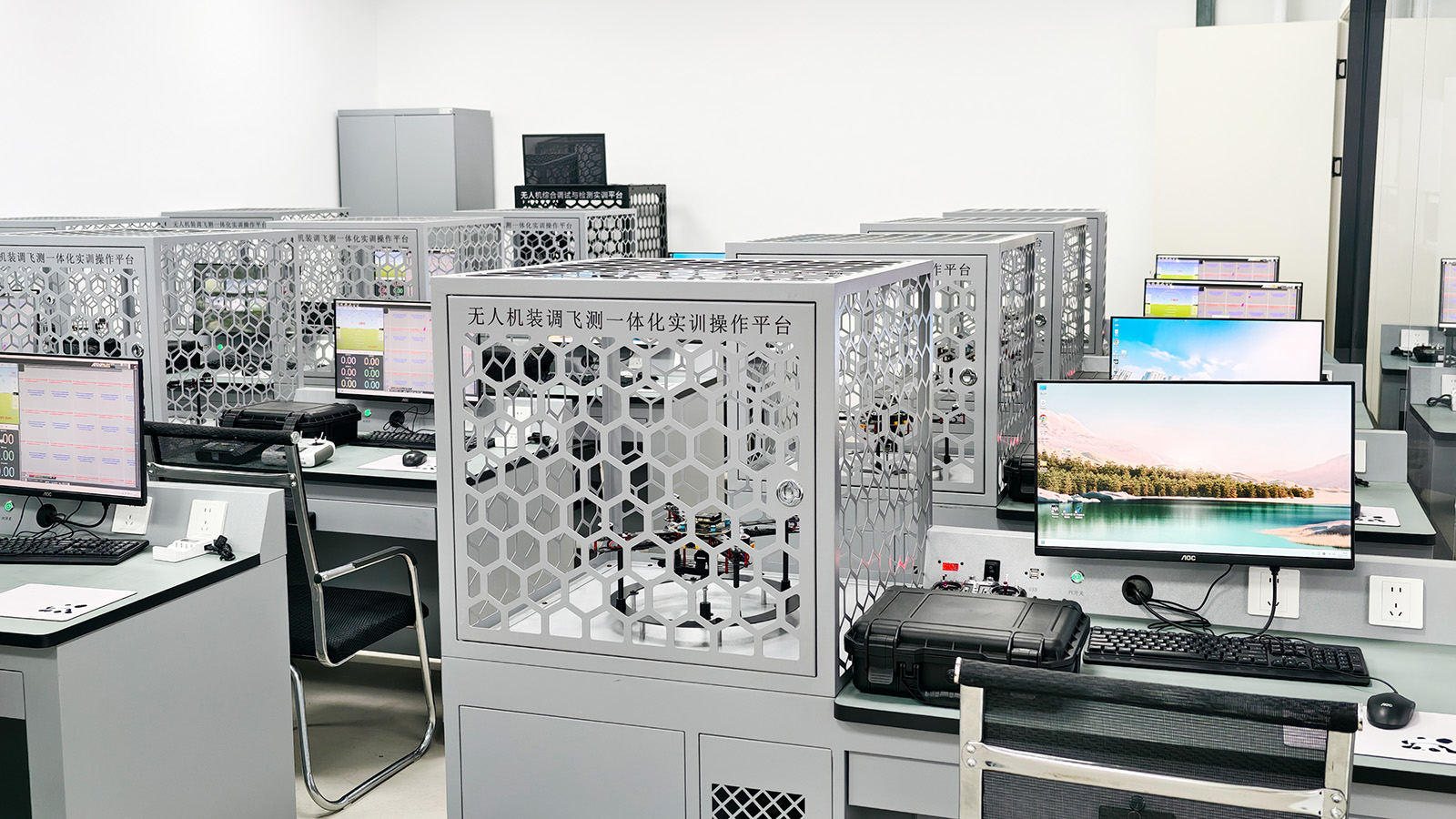
Project Case: UAV Training Room of Chengdu Vocational & Technical College of Industry
Expected Outcomes
1. Build a standard UAV innovation training room with national characteristics;
2. Establish a national advanced UAV applied talent training system;
3. Promote the construction of UAV majors and UAV industry-education integration bases;
4. Participate in various competitions and strive for excellent results.

Project Case: UAV Training Room of Yuhuan Secondary Vocational and Technical School
Construction Content
1. Safety Guidelines: Guide students to master basic flight knowledge and safe operation methods, clarify policies on no-fly zones and aircraft registration, and provide operation guidelines for areas with complex flight space.
2. Course Lectures: Focus on course learning, covering flight principles, basic principles of flight controllers, connection of various flight components, functions of mechanical structures and control principles.
3. Module Assembly: Help students understand the forms of various modules, assemble mechanical components with special tools, learn the combination of electronic components, and master the uses and installation methods of each part.
4. Debugging and Maintenance: Teach students to debug UAV parameters in both dynamic and static states, calibrate all sensors, solve common faults, overhaul electrical components and replace mechanical parts.
5. Flight Operation: Students complete flight simulation independently and master the feel of the remote control proficiently. After the simulated flight duration meets the specified requirement, they can proceed to actual flight training, which gradually upgrades from small to large UAVs and from indoor to outdoor scenarios.
Phase 2
Students are expected to acquire the ability to participate in regional or national UAV competitions. With the popularization of the maker concept and strong policy support, regional and national youth maker competitions are flourishing. Another function of the training room is to serve as a practical training base for competition teams.
In this phase, instructors shall carry out simulated competition training in accordance with the rules of events such as the Vocational College Group of the China Engineering Robot Competition, and provide targeted training for specific competitions. Such competitions generally consist of an operation session and a divergent creative session. The operation session mainly tests contestants' manual control ability, which can be improved through frequent practice; the divergent creative session focuses on the algorithm of entries, which shall be completed with the technical support of equipment manufacturers.
Phase 3
Students are expected to develop certain R&D capabilities. After completing the first two phases, teachers and students will gain an in-depth understanding of the equipment and competition rules, and generate innovative ideas based on practical application scenarios. Instructors can set up project research teams with students as the main body and teachers guiding the general direction according to actual conditions.
Upon completing the above objectives, the laboratory will enter a stable operation state, featuring stable student turnover, regular competition training and standardized project research.
Curriculum Planning and Teaching Objectives
Curriculum Planning:
UAV Technology Course, UAV Assembly and Welding Course, UAV Programming Technology Course, UAV Flight Course, UAV Aerial Photography Course, etc.
Teaching Objectives:
Cultivate students who master basic UAV knowledge, fundamental principles, low-altitude UAV flight technology and programming technology; proficiently master UAV installation, debugging, control, maintenance and repair skills; and grasp application skills in aerial photography, inspection and other fields through aerial photography equipment and ground station systems.
Through UAV programming learning, students can deeply understand UAV automatic control technology and internal working mechanism. It can also train students' scientific and efficient thinking mode, improve their logical thinking ability, planning ability, and ability to analyze and solve problems.
Areas and Functions of the Training Room
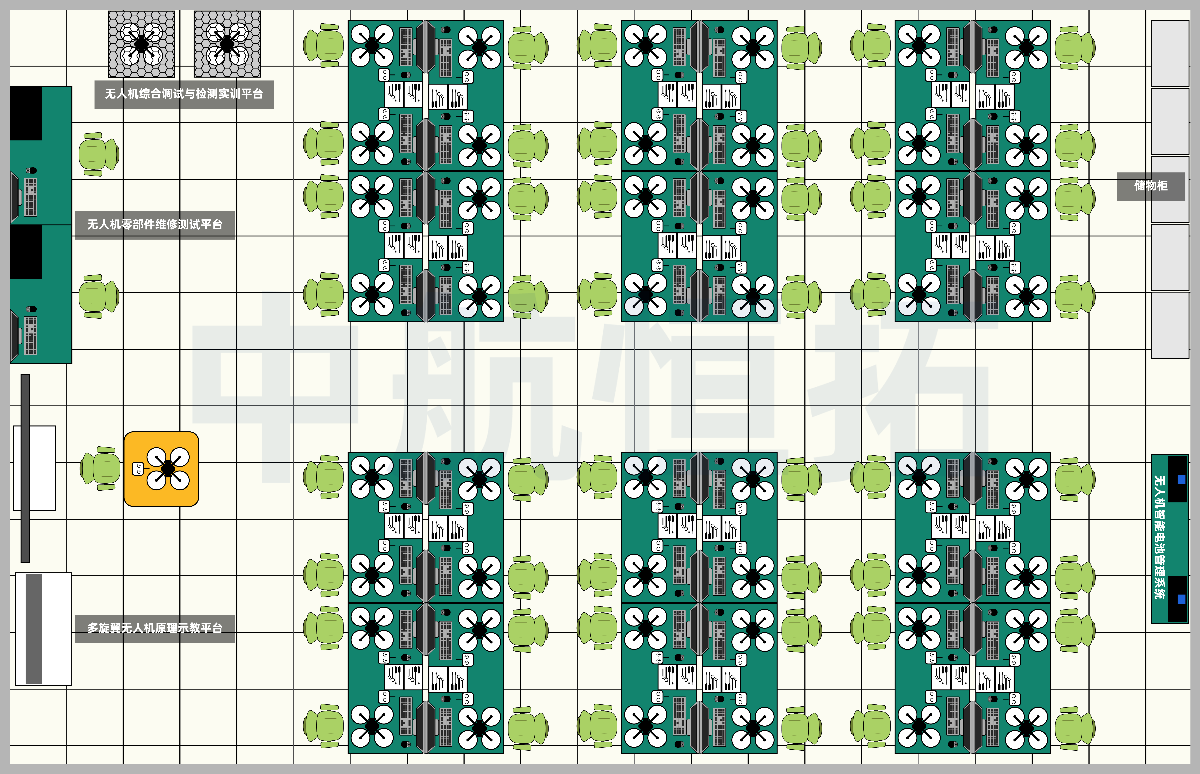
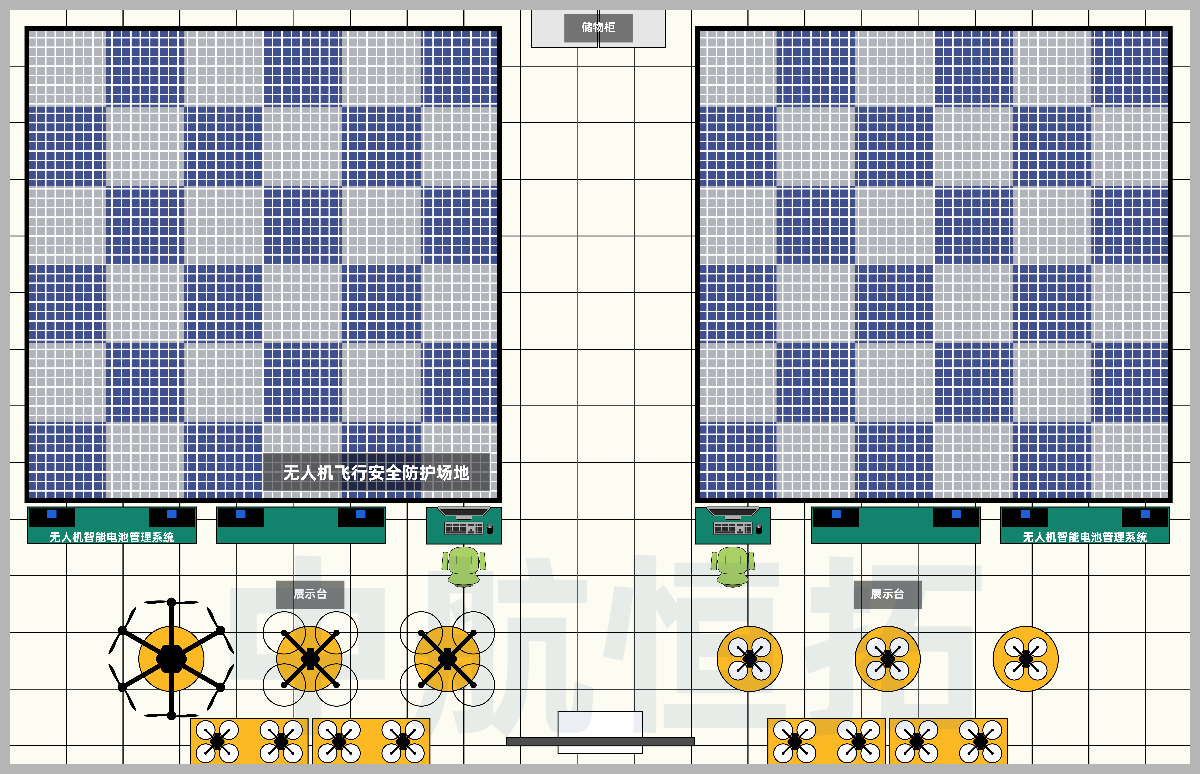 UAV Flight Application Training Room
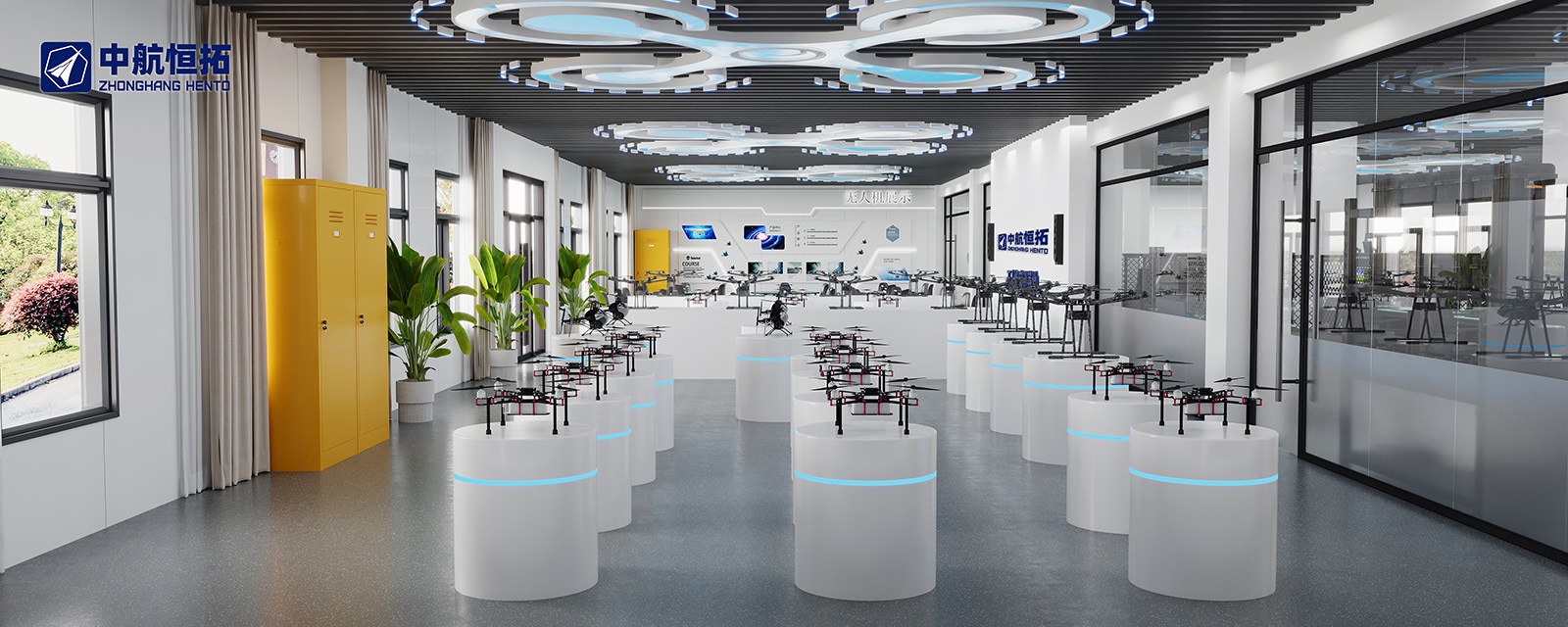
1. UAV Exhibition Area
The exhibition area is equipped with exhibition stands and display cabinets, which can be used for UAV exhibitions, visits and other activities.
 2. UAV Assembly Area
The assembly area provides all spare parts and assembly tools. Students can carry out UAV disassembly and assembly practice here, and get familiar with UAV structure, principles and components through daily practice.
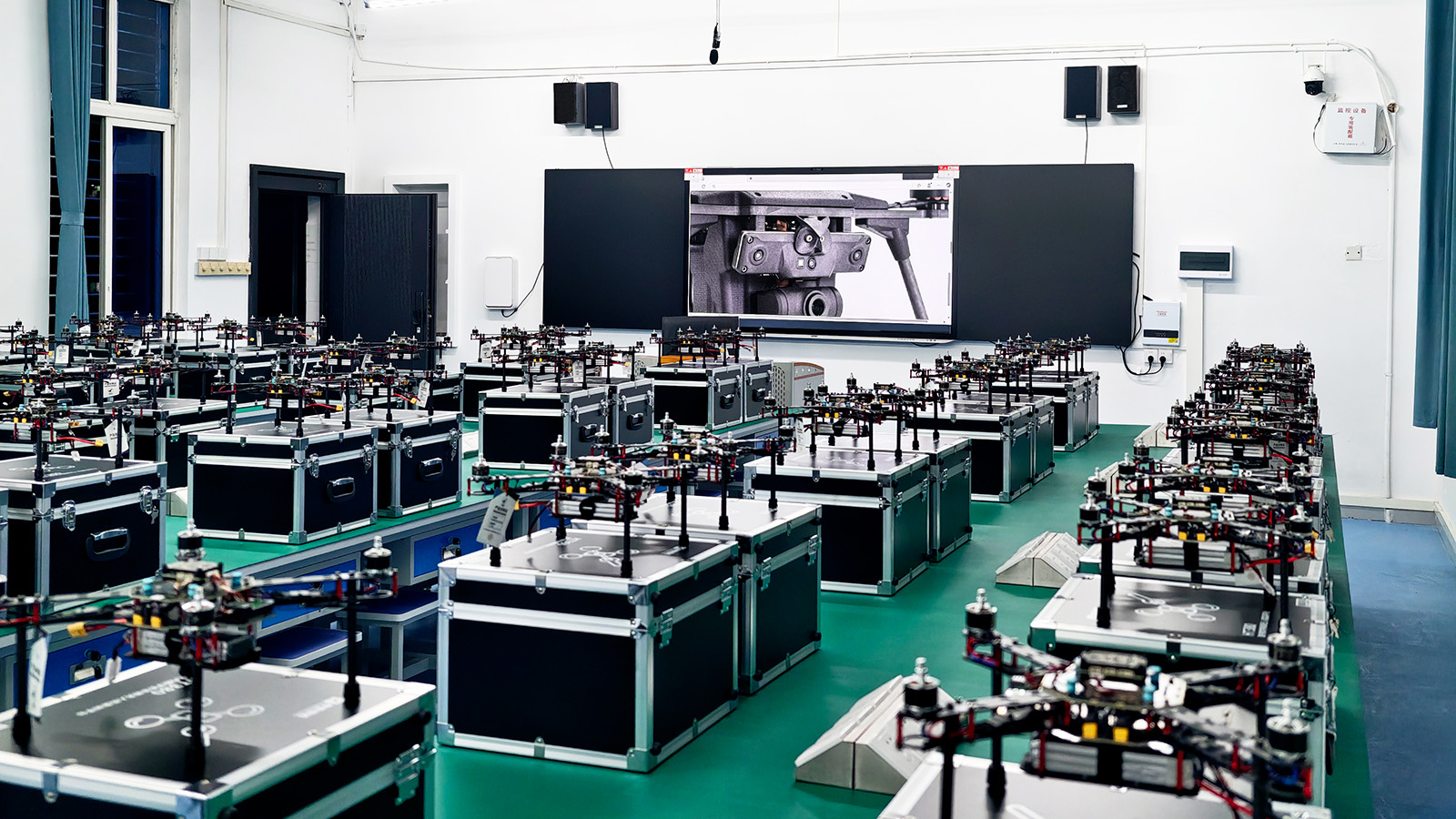
Project Case: UAV Assembly Area of Chenzhou Comprehensive Vocational Secondary School
3. UAV Simulated Flight and Debugging Area
This area is equipped with multiple computers installed with UAV simulated flight software and ground station debugging software. For beginners, the system allows them to simulate real UAV flight and practice basic remote control operations and flight skills. Long-term practice helps form conditioned reflex, muscle memory and emergency response to UAV control, reducing real UAV crashes and personal injuries.
Through the ground station debugging software, parameter setting and calibration are performed on assembled UAVs for preliminary debugging.
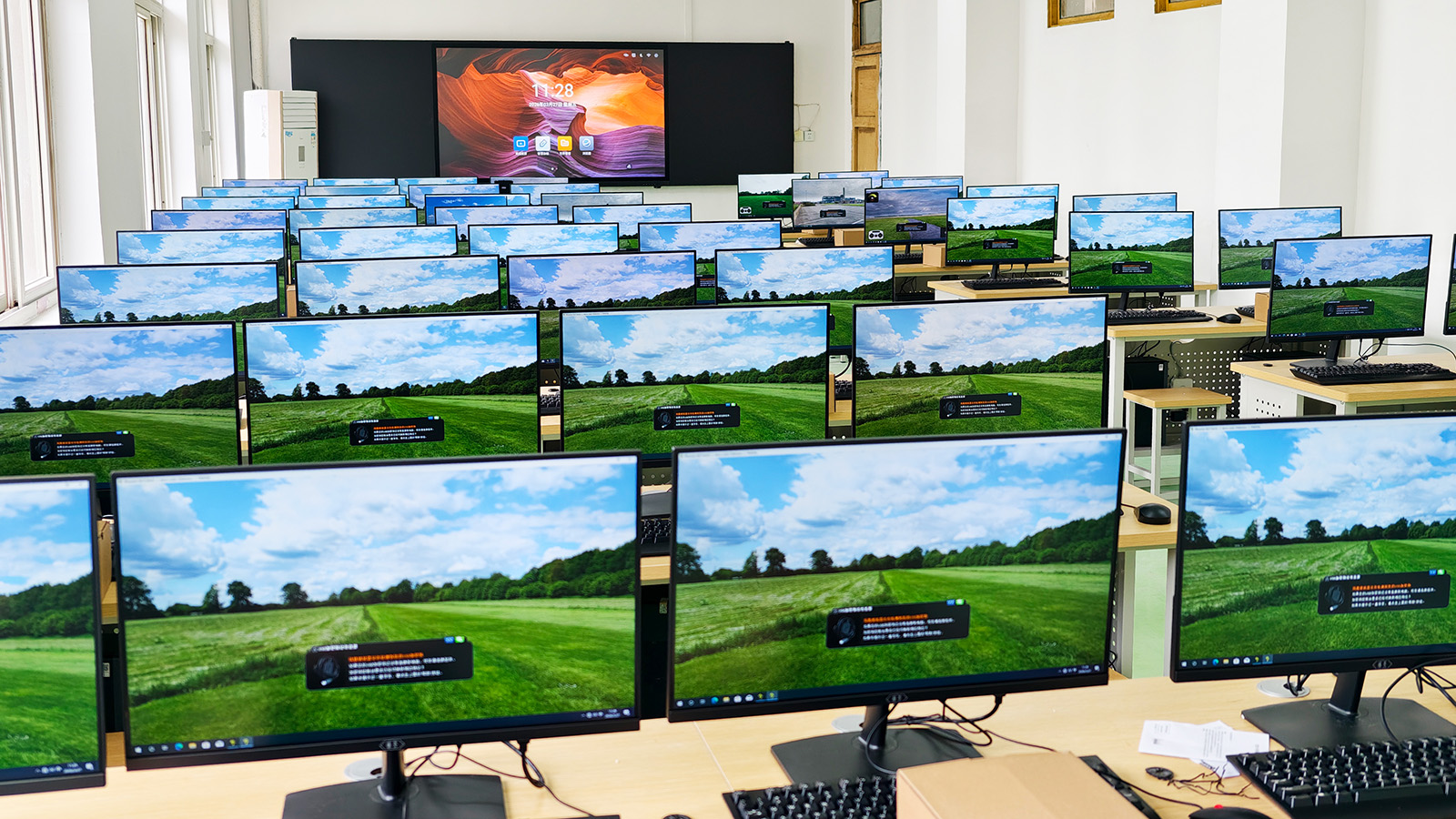
Project Case: UAV Simulated Flight Area of Chongqing Chunhui Humanities Technical School
4. UAV Maintenance Area
This area is equipped with UAV testing equipment. When a UAV malfunctions, students can quickly locate the fault and carry out corresponding repairs with the help of relevant testing instruments.
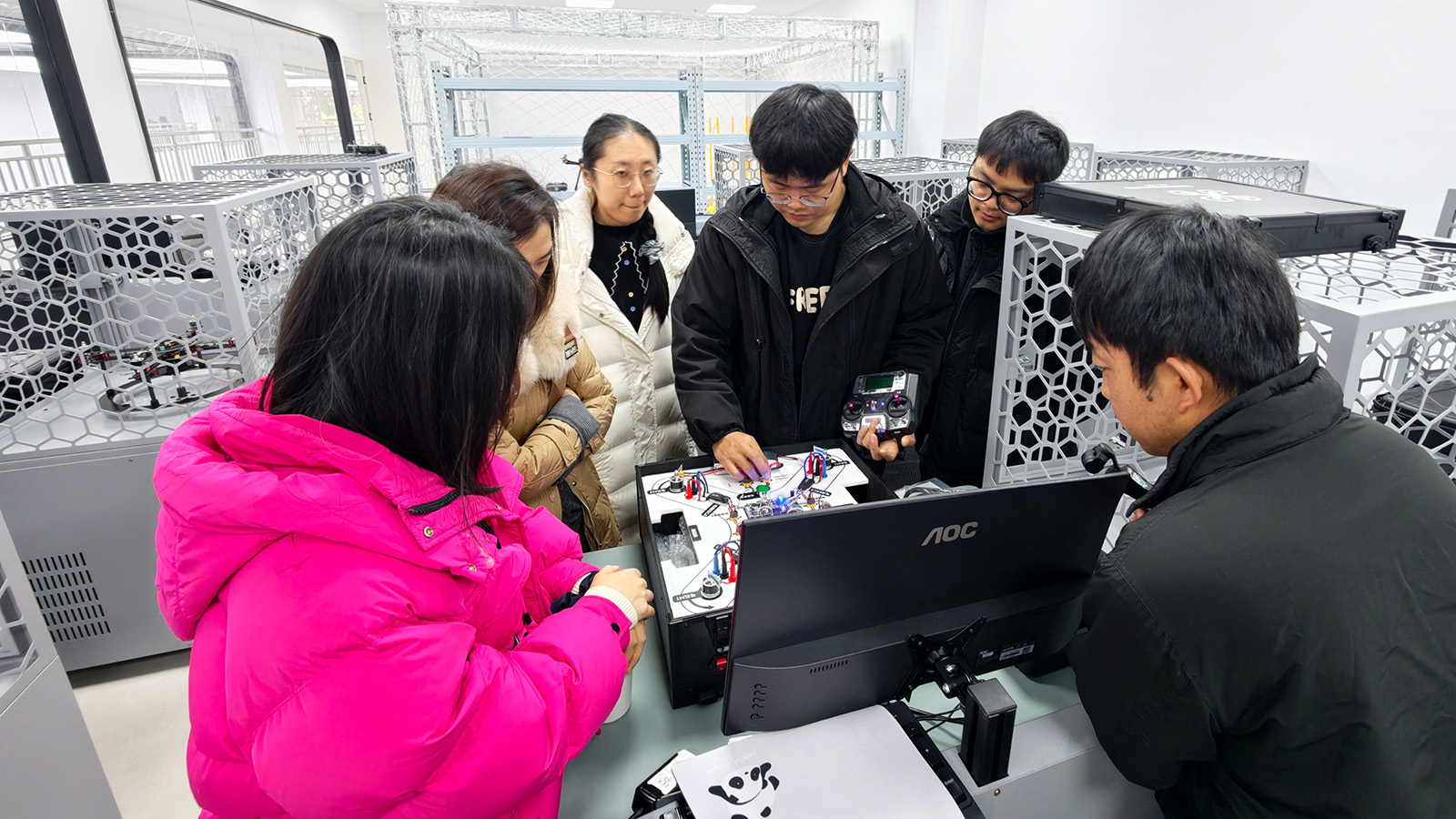
Project Case: UAV Maintenance Area of Chengdu Vocational & Technical College of Industry
5. UAV Flight Area
This area is built with protection devices such as indoor flight safety nets, for students to practice UAV operation and control indoors. All UAV control activities must be carried out in the dedicated site to ensure student safety. Students can first practice simulated flight on computers, and then conduct flight training in the dedicated UAV flight area.
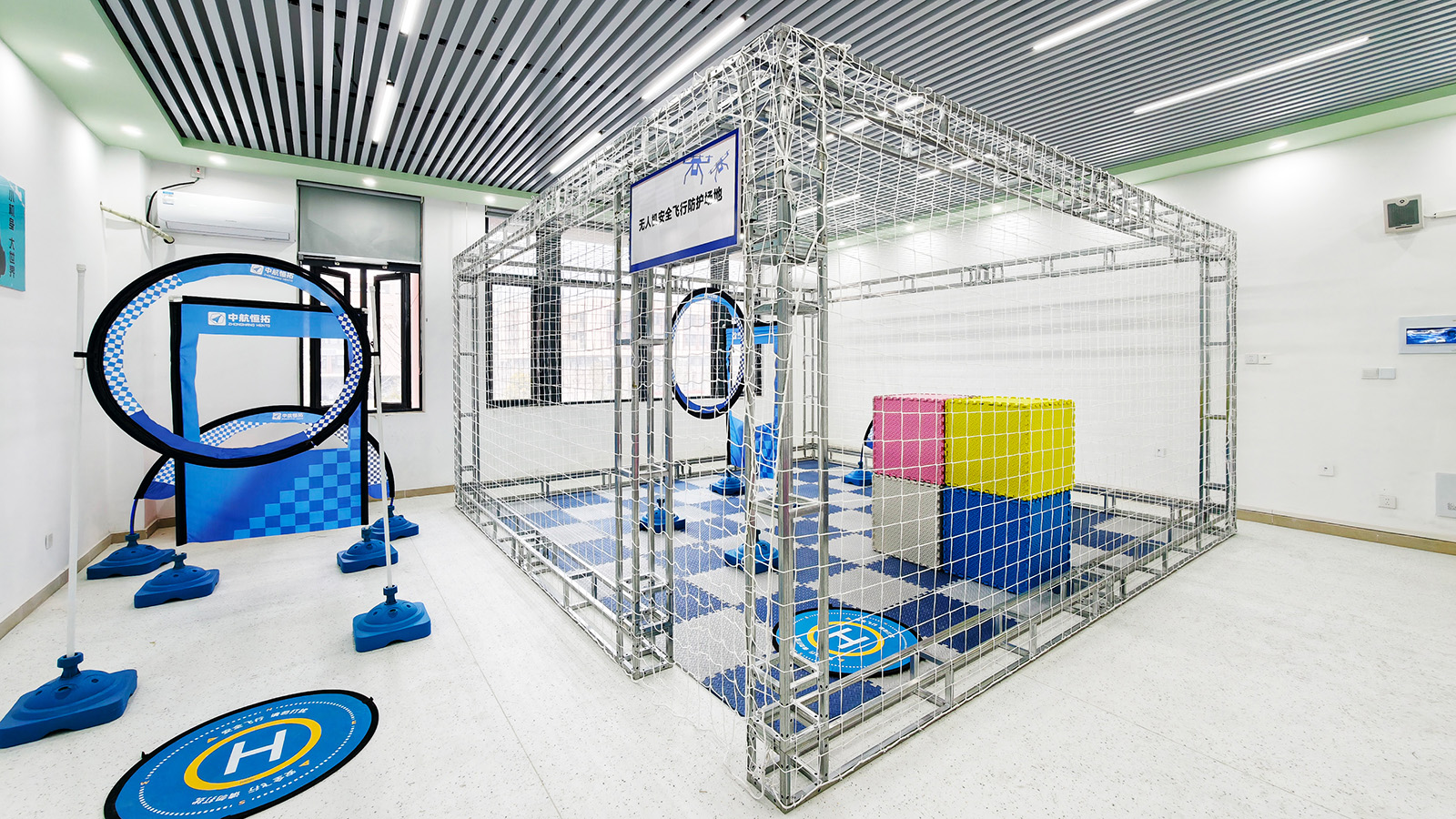
Project Case: UAV Flight Area of Fuyang Preschool Education College
6. 3D Printing Area
This area is equipped with multiple 3D printers. Students can design UAV vulnerable parts, shells and main structural components by themselves, then print and install them on UAVs for verification via 3D printing technology.